Course Description
This technical program equips engineers with skills in piping system inspection, integrity assessment, corrosion monitoring, and maintenance planning to ensure long-term reliability in process plants.
What you'll learn in this Course?
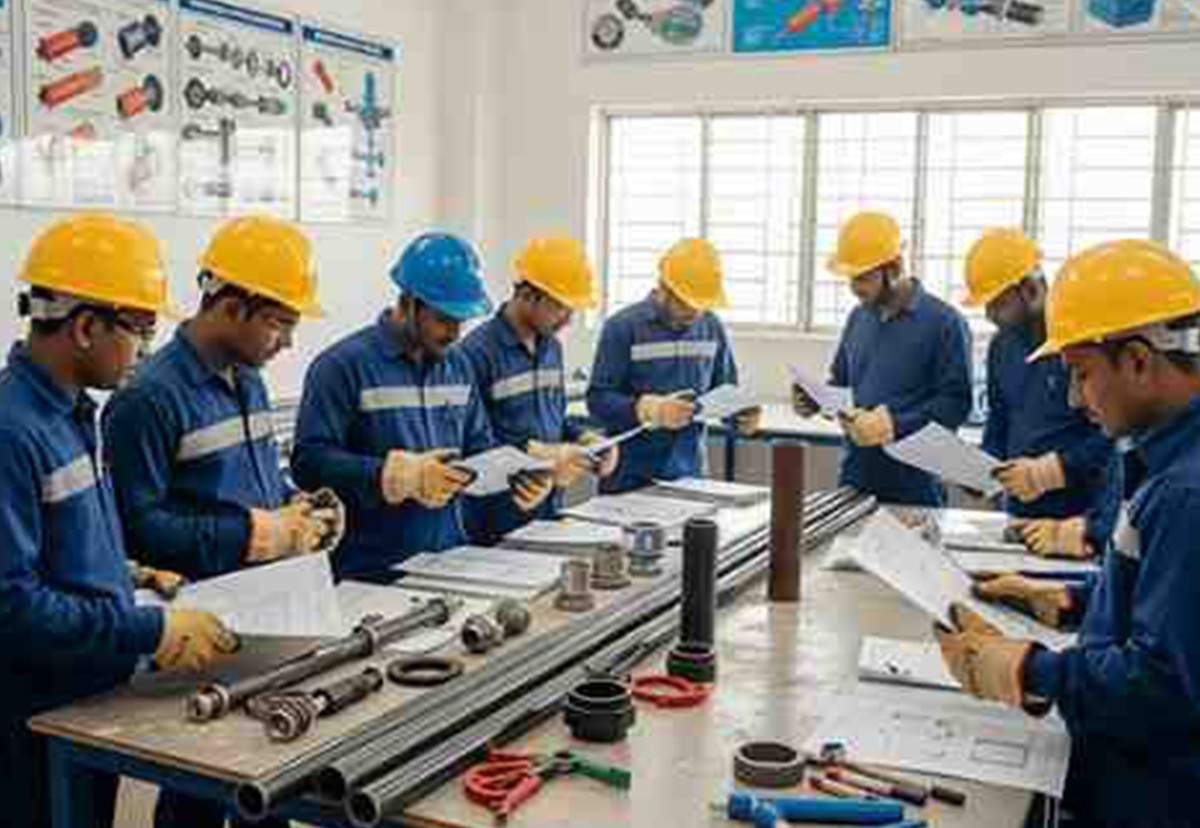
The Piping Inspection and Maintenance Program develops skills to inspect, maintain, and troubleshoot piping systems. It introduces piping system fundamentals, components, service classification, design intent, and the inspection role. Inspection techniques include visual inspection, thickness measurement, NDT coordination, and corrosion identification. Damage mechanisms cover internal corrosion, erosion, fatigue cracking, and external corrosion. Thickness monitoring includes UT measurements, corrosion mapping, trend analysis, and remaining life assessment. Supports and flexibility cover support types, spring supports, thermal movement, and stress indicators. Valves and flanges include leak detection, gasket integrity, bolt condition, and alignment checks. Repair and maintenance include clamps, sleeves, spool replacement, weld repairs, and temporary repairs. Code compliance covers API 570 basics, acceptance criteria, and documentation for audit readiness. HSE and permit compliance include line isolation, depressurization, hazard control, and PPE standards. Shutdown and turnaround strategy covers scope definition, priority ranking, resource coordination, and handover practices.
The module highlights how thoughtful planning can directly improve project
quality, reduce accidents, and help projects finish on time and within
budget.
Course Content
-
Piping System Fundamentals
-
Inspection Techniques
-
Damage Mechanisms
-
Thickness Monitoring
-
Supports & Flexibility
-
Valves & Flanges
-
Repair & Maintenance
-
Code Compliance
-
HSE & Permit Compliance
-
Shutdown & Turnaround Strategy
Eligibilty Criteria
Piping engineers or inspectors with experience in plant operations or turnaround activities.
Course Benefits
1. Awareness about roles & responsibilities
2. How to use the latest tools, systems and ppe
3. Communication and Interpretation skills
4. How to plan and carry out the task effectively
5. Theoritical knowledge about the subject
6. Latest industry trends and benchmarks
7. Productivity techniques
8. How to approach work safety effectively
Develop comprehensive knowledge of piping codes (ASME B31.3) and inspection techniques for corrosion, erosion, and leaks, Master thickness measurement, visual examination, and non-destructive testing application on piping, Apply fitness-for-service evaluations and repair strategies for degraded systems, Understand risk-based inspection planning and documentation requirements, Enhance expertise for piping integrity management roles in oil and gas facilities